Tattoos by Spade · Waikīkī
Polynesian Tattoo Culture in Hawaii: A Guide for Visitors
Quick Answer
Learn about Polynesian tattoo history, the differences between Hawaiian, Samoan, and Maori traditions, and how to approach getting a Polynesian-inspired tattoo in Hawaii respectfully.
A Tradition Older Than Western Tattooing
Polynesian tattooing is one of the oldest and most sophisticated tattooing traditions in the world. Long before European sailors encountered the Pacific Islands — and before the word "tattoo" entered the English language (derived from the Tahitian tatau) — Polynesian cultures had developed complex visual languages encoded in geometric patterns inked onto the skin.
These tattoos were not decorative in the modern sense. They recorded genealogy, social rank, spiritual protection, and life milestones. A warrior's tattoos told his story as clearly as a written biography.
Hawaiian, Samoan, and Maori: Key Differences
Hawaiian (kakau): Traditional Hawaiian tattooing uses bold black geometric shapes — often solid filled rather than outlined — arranged in patterns associated with protection, identity, and status. Motifs include chevrons, triangles, and repeating bands. Hawaiian tattooing declined significantly after Western contact but has seen revival by Hawaiian cultural practitioners.
Samoan (pe'a and malu): Among the most extensive traditional tattoos in the world, covering the body from waist to knee. Executed with traditional hand-tap tools, the process is ritualistic and deeply connected to Samoan identity. Getting a pe'a without Samoan heritage is culturally sensitive territory.
Maori (tā moko): Carved into the skin (not just deposited on it, traditionally), Maori facial and body tattoos (tā moko) encode specific family and tribal information. Facial moko in particular are considered deeply personal and not appropriate for non-Maori.
Navigating Cultural Respect
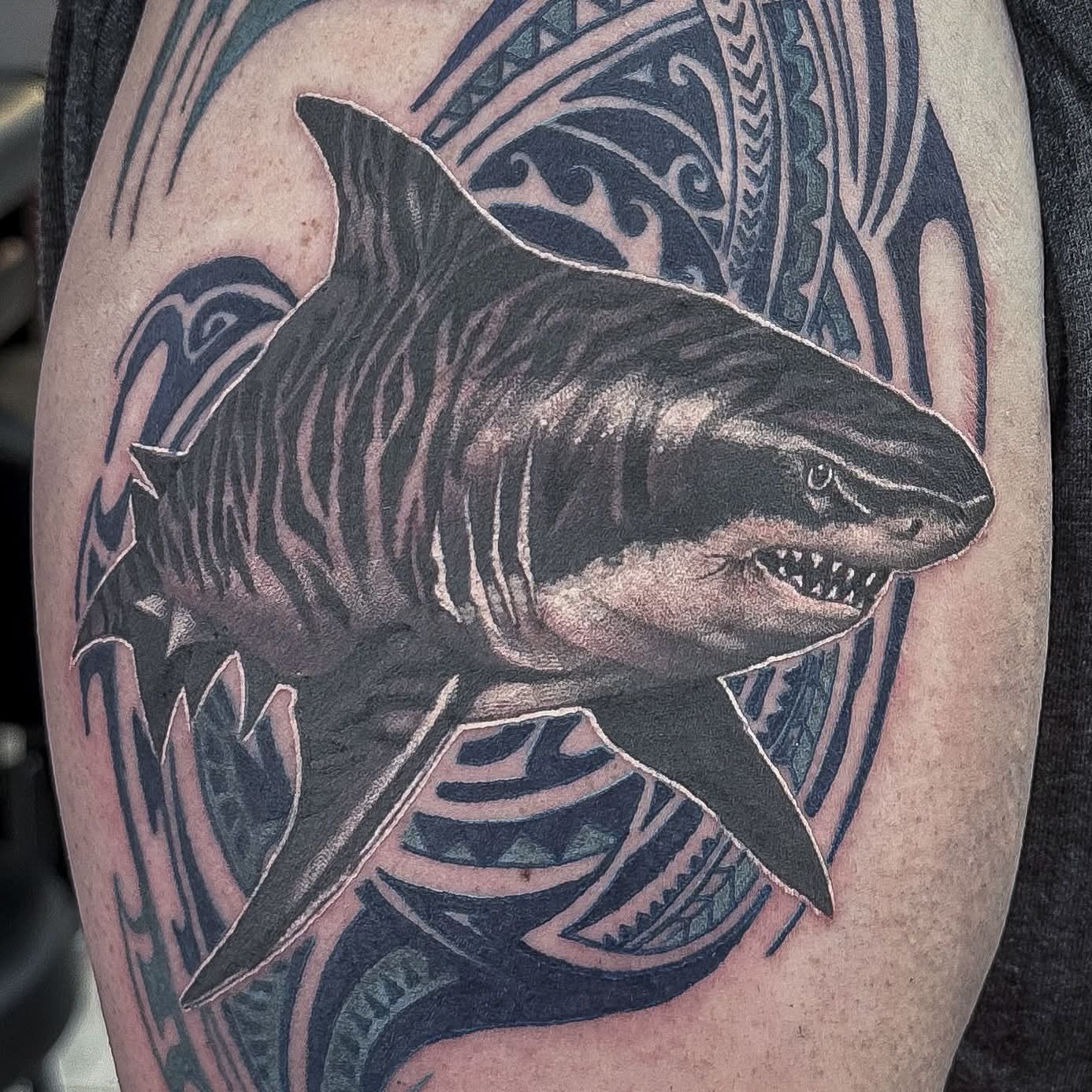
Polynesian-inspired tattoo designs occupy complex cultural ground. Some guidance:
- —Appreciation vs. appropriation: Wearing a culturally significant pattern without context or connection is worth thinking carefully about. Discussing this openly with your artist is valuable.
- —Pacific Islander artists: If you want an authentically grounded design, seek out an artist with Pacific Islander heritage who can speak to the cultural significance firsthand.
- —Inspiration over imitation: Many visitors choose designs inspired by Polynesian aesthetics — the geometry, the bold fills, the organic shapes — without claiming direct cultural ownership. This can be a respectful middle ground.
- —Ask your artist: Spade will have an honest conversation with you about what design choices feel right for your situation.
Why Getting a Polynesian Tattoo in Hawaii Is Meaningful
Hawaii sits at the intersection of multiple Polynesian traditions — it was settled by Polynesian voyagers from the Marquesas and Tahiti, and remains connected to the wider Pacific Islander community. Getting a Polynesian-inspired piece in Waikiki carries geographic and cultural resonance that getting the same tattoo elsewhere doesn't.
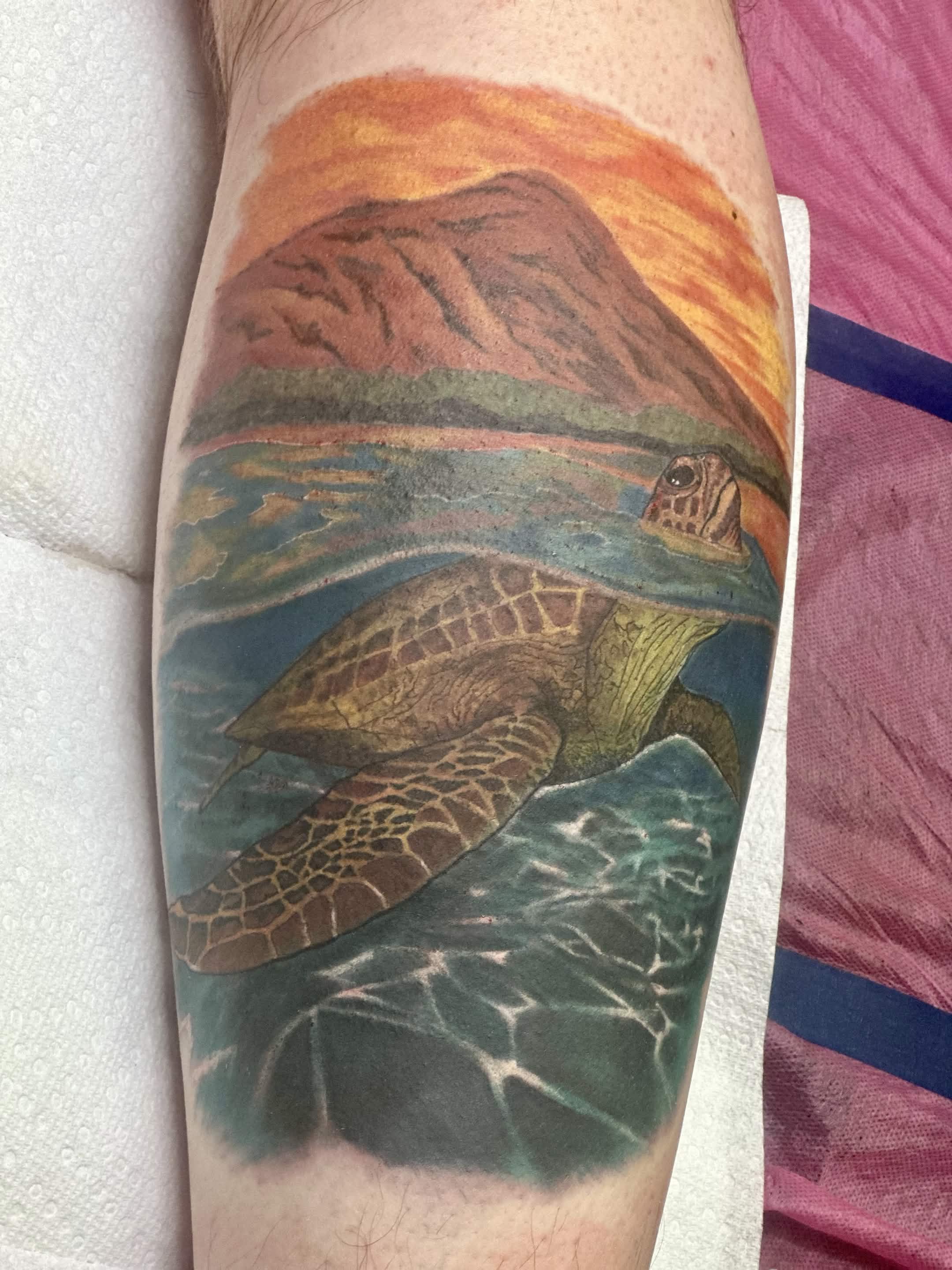
For many visitors, a Hawaii tattoo is a way of marking a meaningful connection to the islands and the ocean that surrounds them. Done thoughtfully, with awareness of the traditions it draws from, it can be a deeply fitting tribute.
Tattoos by Spade · Hilton Hawaiian Village
Ready to make it permanent?
Waikīkī's finest fine-art tattoo studio. Open 7 days.
Design Your Polynesian Tattoo