Tattoos by Spade · Waikīkī
What Is Realism Tattooing? Everything You Need to Know
Quick Answer
Realism tattooing creates photographic images on skin using layered shading. Learn what makes realism different, what subjects work best, and how to find a qualified realism artist in Waikiki.
What Is Realism Tattooing?
Realism tattooing is a style that aims to recreate images with photographic accuracy — making the subject appear three-dimensional, as if it could be lifted off the skin. Unlike traditional tattooing (which uses bold outlines and flat fills) or neo-traditional (which stylizes and decorates), realism attempts to render its subjects exactly as the eye would perceive them in a photograph or painting.
The reference image is central to realism. The artist studies it for light source, shadow depth, texture, and tonal range — then translates all of that into ink with needle.
Black & Grey Realism vs. Color Realism
Realism breaks into two primary branches:
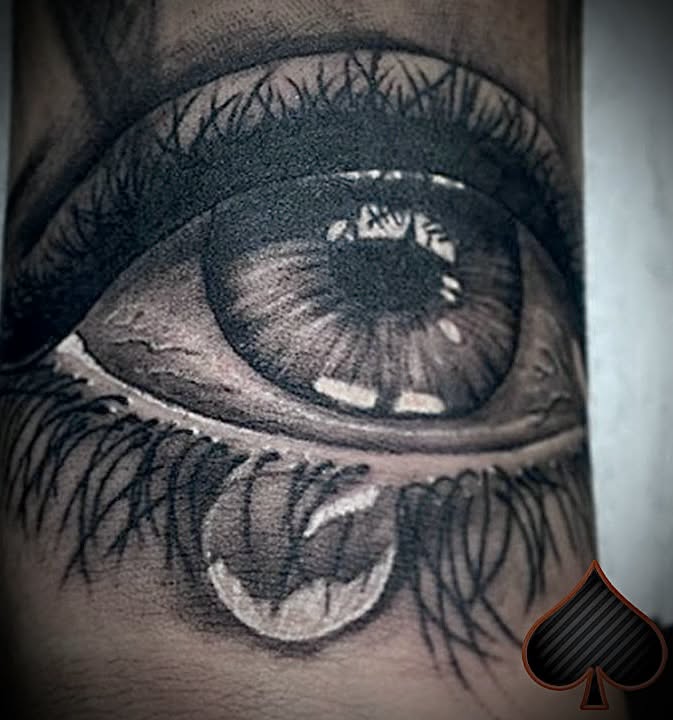
Black & Grey Realism uses black ink diluted to various concentrations to achieve a full tonal range. The result is cinematic — like a silver-gelatin photograph permanently on skin. B&G realism is technically demanding because the artist must control every shade using only diluted black ink.
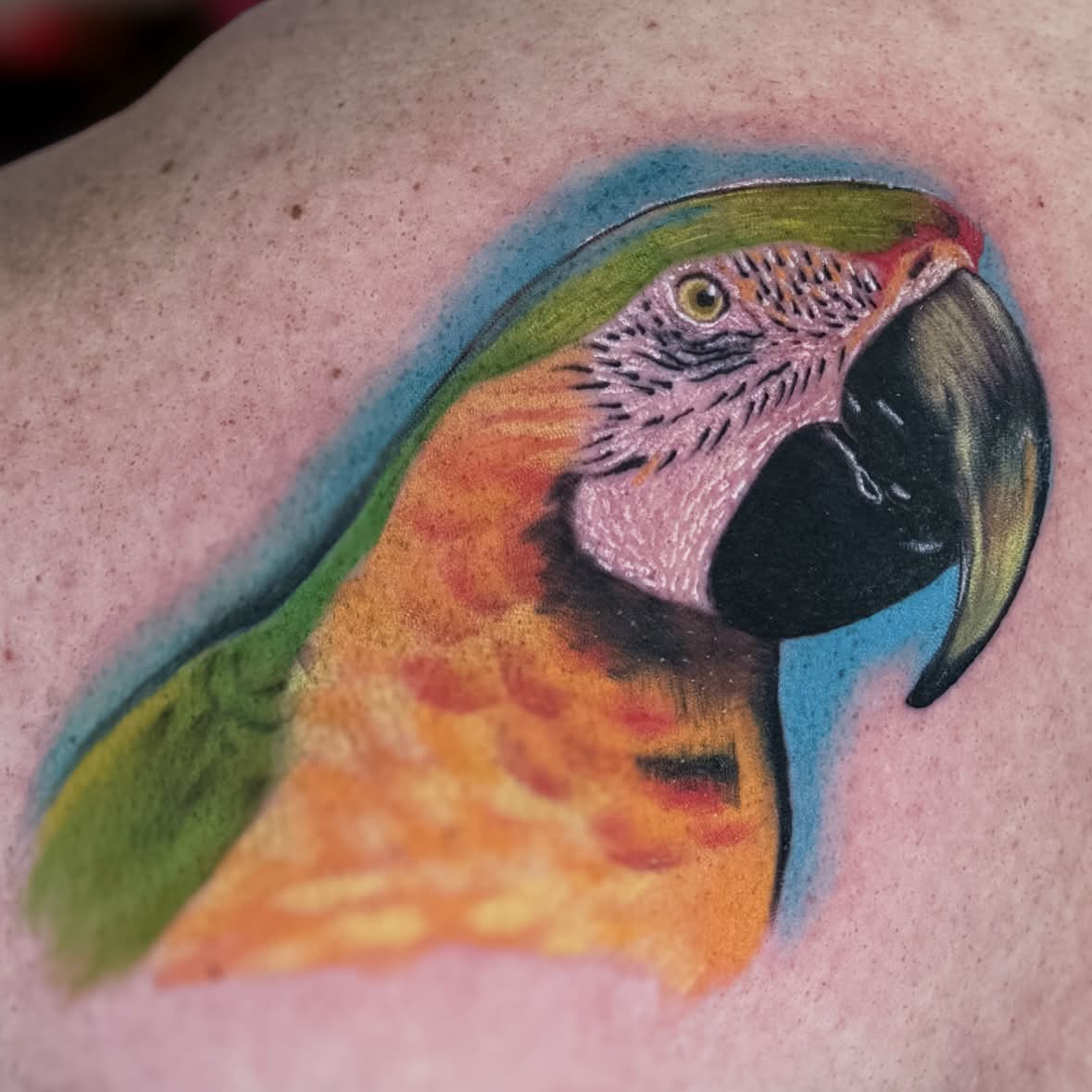
Color Realism uses the full pigment spectrum to recreate the color and vibrancy of the original subject. A parrot, a sunset, a tropical fish — these subjects demand color to capture their essence. Color realism has more variables: color theory, skin tone interaction, and long-term pigment stability all factor in.
Spade works in both — and the choice depends on the subject, your skin tone, and your long-term maintenance preferences.
What Subjects Work Best in Realism
Realism works best when the subject has inherent visual complexity and tonal depth:
- —Animal portraits — feathers, fur, scales, and eyes all translate beautifully to realism
- —Human portraits — among the most technically demanding and rewarding
- —Nature — flowers, plants, water, and landscapes in fine detail
- —Objects with texture — wood grain, stone, metal, fabric
Simple shapes without tonal depth (flat objects, basic geometric forms) don't showcase realism's strengths. The style exists to make things look real — and reality is complex.
Why Realism Is Harder Than Other Styles
In traditional tattooing, a bold outline defines the image clearly — you can tell what it is even if the shading is imperfect. In realism, there are no outlines. The form is built entirely through shading and contrast. Every transition from light to shadow must be smooth, accurate, and controlled.
This requires: - A mastery of needle angle, pressure, and speed - Deep understanding of light and value in fine art - Patience — realism sessions run long because detail takes time - Artistic vision beyond technical execution
Finding an artist with genuine realism mastery is not easy. When you do, it's worth the investment.
Tattoos by Spade · Hilton Hawaiian Village
Ready to make it permanent?
Waikīkī's finest fine-art tattoo studio. Open 7 days.
Book a Realism Tattoo Consultation